Long-Term Complications of Right MCA Stroke
8 minutes ago
2 min read
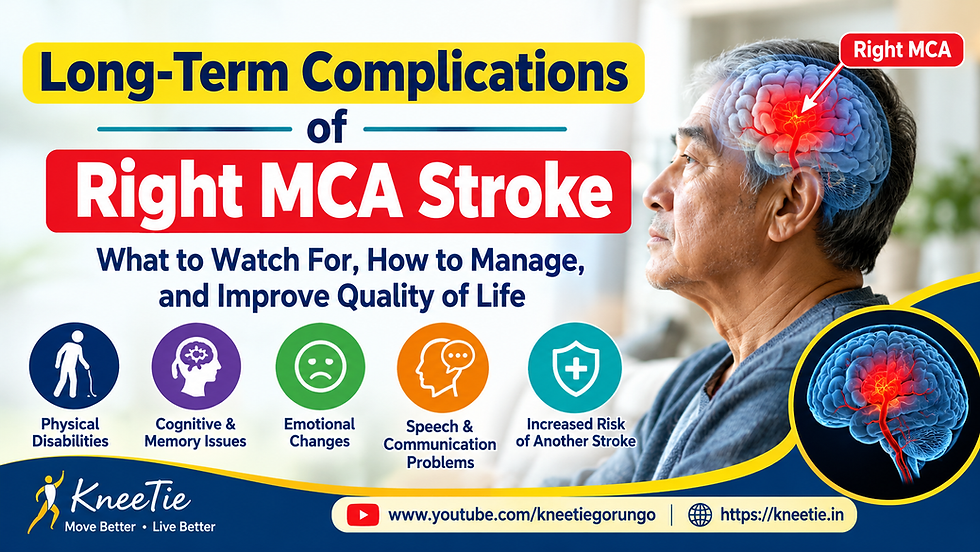
Introduction: A right middle cerebral artery (MCA) stroke occurs when blood flow to a specific region of the brain is blocked or reduced, causing damage to brain tissue. Although emergency treatment and rehabilitation can improve recovery, some survivors experience long-term complications that affect their independence, communication, emotions, and quality of life. Understanding these challenges helps patients, families, and caregivers provide better support. Learn more at www.youtube.com/kneetiegorungo and https://kneetie.in.
1. Persistent Weakness and Physical Disability: A right MCA stroke commonly affects the left side of the body. Survivors may experience weakness or paralysis in the left arm and leg, muscle stiffness, poor coordination, and difficulty walking. These problems can interfere with dressing, bathing, eating, and other daily activities. Physiotherapy, occupational therapy, and prescribed exercises can help improve mobility, strength, balance, and independence.
2. Cognitive and Memory Problems: Some survivors experience difficulties with attention, concentration, memory, judgment, and problem-solving. A right-sided stroke may also cause spatial neglect, a condition in which a person has difficulty noticing objects or people on the left side. Cognitive rehabilitation, structured routines, visual reminders, and a safe home environment can help manage these challenges.
3. Emotional and Behavioral Changes: Depression, anxiety, irritability, frustration, and mood swings may develop after a stroke. Some individuals may have difficulty recognizing their own limitations, a condition known as anosognosia. These changes can affect relationships and rehabilitation progress. Emotional support, counseling, appropriate medical assessment, and involvement of family members can improve overall well-being.
4. Communication and Swallowing Difficulties: Although language problems are more commonly associated with left-sided brain injury, some right MCA stroke survivors experience difficulties understanding emotional tone, interpreting facial expressions, or communicating effectively. Swallowing difficulties may also persist, increasing the risk of choking, dehydration, and aspiration pneumonia. Speech-language therapy and professional swallowing assessments are important for safe recovery.
5. Chronic Pain, Fatigue, and Sleep Problems: Shoulder pain, muscle spasticity, headaches, persistent fatigue, and sleep disturbances may continue for months or longer. These symptoms can reduce participation in rehabilitation and everyday activities. Treatment may include medication, stretching, positioning, appropriate exercise, and sleep-management strategies guided by healthcare professionals.
6. Increased Risk of Another Stroke: Survivors remain at risk of another stroke, particularly when underlying risk factors are not controlled. Managing blood pressure, diabetes, cholesterol, and heart conditions, avoiding smoking, staying physically active as appropriate, and taking prescribed medications can reduce this risk. Regular medical follow-up is essential.
Conclusion: Long-term complications of a right MCA stroke vary from person to person. Early recognition, individualized rehabilitation, emotional support, and effective management of stroke risk factors can improve quality of life. Seek emergency medical help immediately if new stroke symptoms develop, even if they disappear quickly.
The domain www.dubaitelemedicine.com is for sale. Please contact us at www.kneetie.com
#KneeTie #Stroke #youtube/kneetiegorungo #DubaiTelemedicine


Comments