Stroke Prevention in Elderly Populations
Feb 12
2 min read
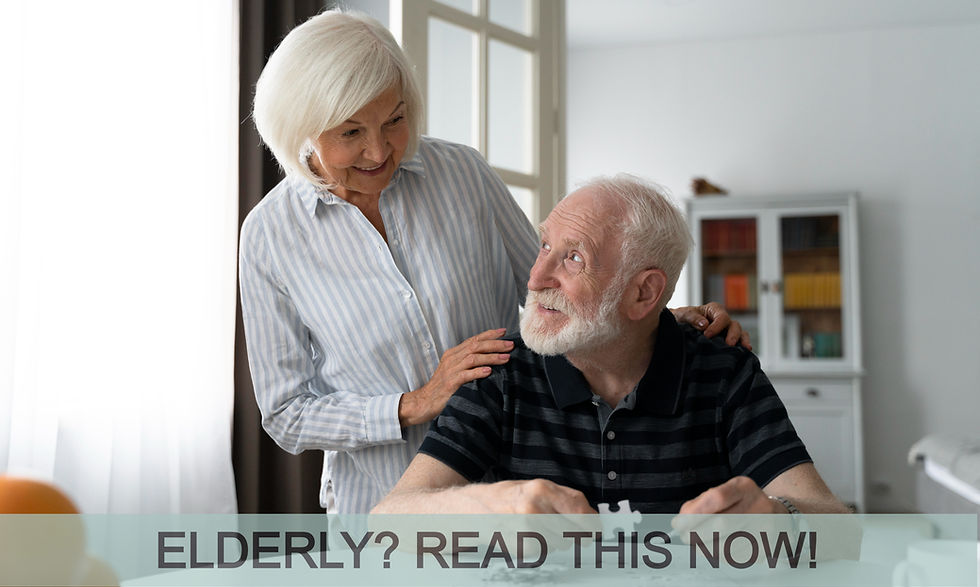
Introduction: ( www.youtube.com/kneetiegorungo.)
Stroke remains one of the leading causes of death and long-term disability among elderly populations worldwide. As individuals age, the risk of stroke increases significantly due to physiological changes, underlying medical conditions, and lifestyle factors. Preventing stroke in older adults is crucial not only to extend life expectancy but also to preserve independence and quality of life. Through early risk identification, lifestyle modifications, and proper medical management, the incidence of stroke in elderly individuals can be significantly reduced.
Understanding Stroke Risk in the Elderly:A stroke occurs when blood flow to the brain is interrupted, either by a blockage (ischemic stroke) or bleeding (hemorrhagic stroke). Elderly individuals are particularly vulnerable due to age-related arterial stiffness, reduced vascular elasticity, and increased prevalence of chronic diseases such as hypertension, diabetes, and heart disease. Additionally, atrial fibrillation, a common cardiac rhythm disorder in older adults, greatly increases stroke risk. Identifying these medical conditions early is essential for effective stroke prevention.
Importance of Managing Chronic Conditions:Controlling chronic illnesses plays a major role in stroke prevention. High blood pressure is the most significant modifiable risk factor. Regular monitoring and proper medication adherence help maintain blood pressure within safe limits. Similarly, managing diabetes through blood sugar control reduces damage to blood vessels. Cholesterol management through diet, exercise, and medications helps prevent plaque buildup in arteries, lowering the likelihood of stroke.
Lifestyle Modifications for Stroke Prevention:Healthy lifestyle choices are powerful preventive tools. A balanced diet rich in fruits, vegetables, whole grains, and lean proteins supports cardiovascular health. Reducing salt intake helps control blood pressure, while limiting saturated fats lowers cholesterol levels. Regular physical activity, even light exercises such as walking or yoga, improves blood circulation and heart health. Avoiding smoking and excessive alcohol consumption significantly decreases stroke risk. Maintaining a healthy weight further supports overall vascular health.
Role of Regular Health Screenings and Awareness:Routine medical check-ups allow early detection of stroke risk factors. Screening for atrial fibrillation, blood pressure irregularities, and cholesterol abnormalities helps healthcare providers intervene early. Educating elderly individuals and caregivers about stroke warning signs such as sudden weakness, speech difficulty, facial drooping, and loss of balance can lead to faster emergency response, improving survival and recovery outcomes.
Conclusion:Stroke prevention in elderly populations requires a comprehensive approach combining medical management, healthy lifestyle practices, and continuous health monitoring. Families, caregivers, and healthcare professionals must work together to ensure older adults receive proper preventive care and education. By focusing on early detection, consistent treatment, and improved lifestyle habits, society can significantly reduce stroke incidence and enhance the well-being of the elderly population.
(The domain www.dubaitelemedicine.com is for sale. Please contact us at www.kneetie.com#KneeTie #Stroke #youtube/kneetiegorungo #DubaiTelemedicine)


Comments