Corporate Stroke Prevention Programs: Building Healthier Workforces
Apr 9
2 min read
Introduction: ( www.youtube.com/kneetiegorungo.) ( https://kneetie.in )
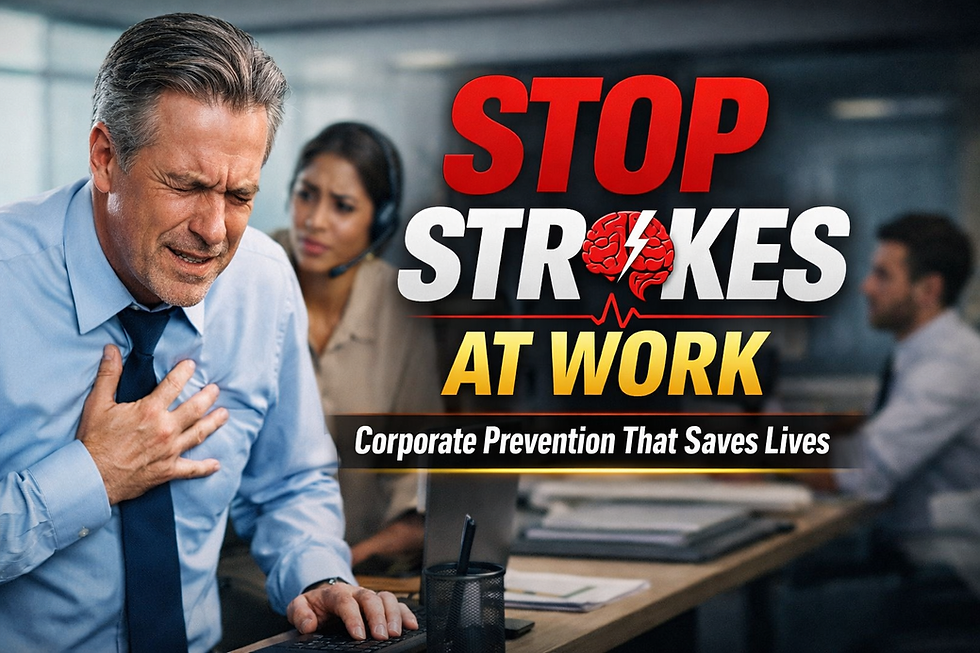
Stroke is one of the leading causes of death and long-term disability worldwide, and its impact extends far beyond individuals to affect families, workplaces, and economies. In today’s high-pressure corporate environment—marked by long working hours, sedentary lifestyles, and chronic stress—the risk of stroke is steadily increasing among employees. Corporate stroke prevention programs are emerging as a powerful strategy for organizations to safeguard employee health, improve productivity, and reduce long-term healthcare costs.
Understanding the Need for Corporate Stroke Prevention:Modern workplaces often unintentionally promote unhealthy habits such as prolonged sitting, poor dietary choices, and high stress levels. These factors significantly contribute to hypertension, obesity, diabetes, and high cholesterol—major risk factors for stroke. By proactively addressing these issues, corporations can reduce absenteeism, enhance employee well-being, and foster a culture of health and responsibility.
Key Components of Effective Programs:A successful corporate stroke prevention program must be comprehensive and accessible. Regular health screenings are essential to detect early warning signs such as high blood pressure or elevated glucose levels. Educational workshops can help employees recognize stroke symptoms, including sudden weakness, confusion, or difficulty speaking, and emphasize the importance of timely intervention.
Physical wellness initiatives, such as promoting daily movement, offering gym memberships, or organizing fitness challenges, encourage employees to stay active. Nutritional guidance through healthy cafeteria options or diet consultations further supports stroke risk reduction. Additionally, stress management programs—like mindfulness sessions, counseling services, or flexible work arrangements—play a critical role in preventing burnout and associated health risks.
Leveraging Technology and Innovation:With advancements in digital health, companies can integrate
telemedicine platforms, wearable devices, and mobile health apps into their programs. These tools allow continuous monitoring of vital parameters, personalized health recommendations, and easy access to medical professionals. Such innovations not only enhance engagement but also empower employees to take charge of their health proactively.
Creating a Culture of Prevention:Leadership involvement is crucial for the success of these programs. When management actively participates and prioritizes employee well-being, it sets a strong example across the organization. Incentivizing healthy behaviors, recognizing participation, and maintaining open communication about health initiatives can significantly boost program adoption.
Conclusion:Corporate stroke prevention programs are no longer optional—they are a strategic necessity in today’s workforce landscape. By investing in preventive healthcare, organizations not only protect their employees but also build a resilient, productive, and engaged workforce. Prevention is always more effective than cure, and through thoughtful planning and commitment, corporations can play a transformative role in reducing the global burden of stroke.(The domain www.dubaitelemedicine.com is for sale. Please contact us at www.kneetie.com#KneeTie #Stroke #youtube/kneetiegorungo #DubaiTelemedicine )


Comments