Emotional Sensitivity and ADHD: Understanding and Managing Emotional Dysregulation
Jul 17, 2024
2 min read
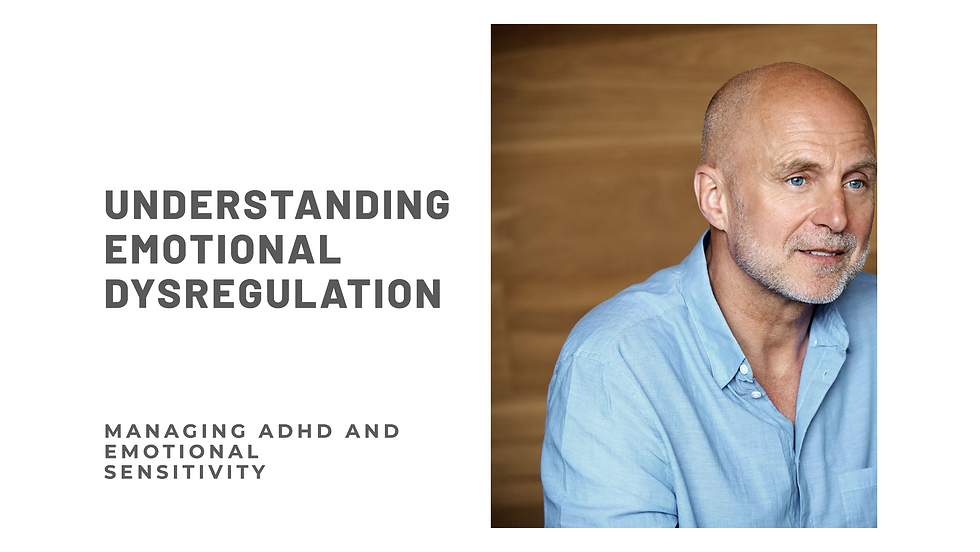
Introduction: (www.youtube.com/kneetiegorungo)
Emotional sensitivity and dysregulation are common challenges faced by individuals with Attention-Deficit/Hyperactivity Disorder (ADHD). Many adults with ADHD recall being labelled as "emotional" or "overly sensitive" during their childhood, and these struggles often persist into adulthood. This article explores the prevalence of emotional dysregulation in those with ADHD, examines personal experiences, and provides recommendations for managing these symptoms effectively.
Childhood Emotional Sensitivity
For many with ADHD, emotional sensitivity starts early. As children, they may experience intense emotions that seem disproportionate to the situation. This heightened emotional response can lead to frequent mood swings, frustration, and difficulty calming down. Being told that you were an "emotional" child is a common experience among those with ADHD. This emotional sensitivity is often misunderstood, leading to frustration and feeling misunderstood.
Personal Experiences with Emotional Dysregulation
Emotional dysregulation remains a significant issue for many adults with ADHD, even after starting medication. Vyvanse, a commonly prescribed stimulant for ADHD, can help manage symptoms of inattention and hyperactivity but might not fully address emotional dysregulation.
As someone who takes Vyvanse, you might notice a significant difference in your ability to focus and complete tasks when medicated. However, emotional struggles can persist. This is because ADHD affects the brain's executive function, which includes emotional regulation. Even with medication, managing emotions can be an ongoing challenge.
Strategies for Managing Emotional Dysregulation
Here are some strategies that might help you and others with ADHD manage emotional dysregulation:
1. Mindfulness and Meditation:
- Practicing mindfulness can increase awareness of your emotional state and help you respond to emotions more calmly. Techniques such as deep breathing, progressive muscle relaxation, and guided meditation can be beneficial.
2. Cognitive-Behavioral Therapy (CBT):
- CBT is an evidence-based therapy that helps individuals understand and change thought patterns contributing to emotional dysregulation. Working with a therapist can provide tools to manage intense emotions more effectively.
3. Emotional Regulation Skills:
- Learning and practising skills such as identifying triggers, recognizing signs of emotional escalation, and implementing calming strategies can help manage emotional responses. Dialectical Behavior Therapy (DBT) offers practical techniques for emotional regulation.
4. Regular Physical Activity:
- Exercise is known to improve mood and reduce symptoms of anxiety and depression. Regular physical activity can help stabilize emotions and improve overall mental health.
5. Support Groups and Counseling:
- Joining support groups for individuals with ADHD can provide a sense of community and understanding. Sharing experiences and strategies with others who face similar challenges can be incredibly validating and helpful.
6. Medication Adjustments:
- If emotional dysregulation persists despite medication, discuss this with your psychiatrist. Sometimes, adjusting the dosage or adding another medication, such as an antidepressant or mood stabilizer, can help manage emotional symptoms more effectively.
Conclusion:
Emotional sensitivity and dysregulation are common among individuals with ADHD, starting from childhood and often continuing into adulthood. While medications like Vyvanse can significantly improve attention and hyperactivity, managing emotions may require additional strategies. Incorporating mindfulness practices, cognitive-behavioural therapy, physical activity, and seeking support can provide comprehensive management of emotional dysregulation. Discussing these strategies with your psychiatrist can help tailor a treatment plan that addresses both the cognitive and emotional aspects of ADHD, leading to a more balanced and fulfilling life.
The domain www.dubaitelemedicine.com is for sale. Please contact us at www.kneetie.com
#KneeTie #Stroke #youtube/kneetiegorungo #DubaiTelemedicine


Comments