Medication Adherence After Stroke: A Lifeline for Recovery and Prevention
Apr 1
2 min read
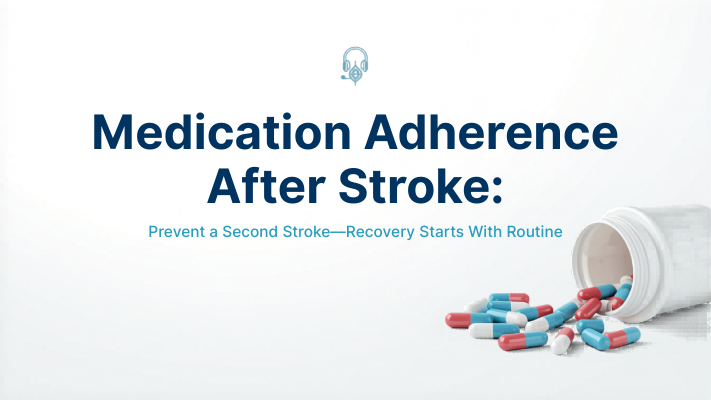
Introduction: www.youtube.com/kneetiegorungo.
A stroke is a life-altering event that not only affects physical and cognitive abilities but also places individuals at a significantly higher risk of recurrent strokes. One of the most critical components of post-stroke care is medication adherence—consistently taking prescribed medications as directed by healthcare providers. Despite its importance, many stroke survivors struggle with maintaining proper medication routines, which can compromise recovery and increase the risk of complications.
Understanding Medication Adherence:
Medication adherence refers to taking medications in the correct dose, at the right time, and for the prescribed duration. After a stroke, patients are often prescribed a combination of medications such as antiplatelets, anticoagulants, blood pressure medications, cholesterol-lowering drugs, and sometimes medications for diabetes. These drugs work together to prevent clot formation, control risk factors, and stabilize overall health.
Challenges Faced by Stroke Survivors:
Stroke survivors frequently encounter barriers to adherence. Cognitive impairments, such as memory loss or confusion, can make it difficult to remember medication schedules. Physical limitations, including weakness or paralysis, may hinder the ability to handle medication containers. Emotional factors like depression or lack of motivation can also reduce compliance. Additionally, complex medication regimens and financial constraints further complicate adherence.
Strategies to Improve Adherence:
Improving medication adherence requires a multifaceted approach. Simplifying medication regimens—such as reducing the number of daily doses—can make a significant difference. Using pill organizers, alarms, or mobile apps helps patients remember their schedules. Family involvement is crucial; caregivers can assist in organizing and administering medications. Regular follow-ups with healthcare providers ensure that medications remain appropriate and manageable.
Education is another powerful tool. When patients understand the purpose of each medication and the consequences of non-adherence, they are more likely to stay committed. Telemedicine services can also play a role by providing remote monitoring, reminders, and consultations, making adherence easier and more consistent.
Role of Healthcare Systems and Technology:
Healthcare systems must prioritize patient-centered care by offering clear instructions, counseling, and accessible support systems. Digital health solutions, including smart pill dispensers and remote monitoring platforms, are transforming adherence management. These tools not only remind patients but also track compliance and alert caregivers or healthcare providers when doses are missed.
Conclusion:
Medication adherence after stroke is not just a routine—it is a vital component of survival, recovery, and quality of life. By addressing barriers, leveraging technology, and fostering strong support systems, we can significantly improve adherence rates and reduce the risk of recurrent strokes. Empowering patients with knowledge, tools, and support ensures that they remain on the path to recovery and long-term well-being.
The domain www.dubaitelemedicine.com is for sale. Please contact us at www.kneetie.com#KneeTie #Stroke #youtube/kneetiegorungo #DubaiTelemedicine


Comments