Title: Gut Health and Stroke Risk
Apr 24
2 min read
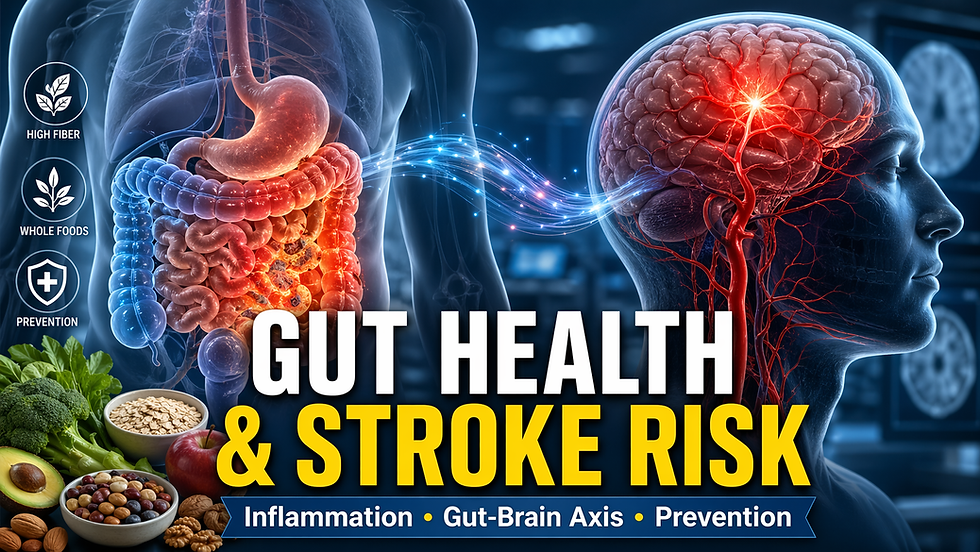
Introduction: ( www.youtube.com/kneetiegorungo.)
Gut health is becoming an important part of the conversation around stroke risk. For many years, people mainly connected stroke with high blood pressure, diabetes, smoking, obesity, cholesterol, and heart disease. These are still very important risk factors. However, the digestive system may also play a meaningful role in overall brain and blood vessel health. The gut is not just where food is digested. It is also home to trillions of bacteria and microorganisms that influence inflammation, immunity, metabolism, and even how the body responds to disease.
The Gut-Brain Connection:The gut and brain are closely connected through nerves, hormones, immune activity, and chemical signals. This connection is often called the gut-brain axis. When the gut is healthy, it may support better balance in the body. When the gut is unhealthy, inflammation may increase. Long-term inflammation can affect blood vessels and may contribute to conditions that increase stroke risk. A healthy gut may help the body manage blood pressure, blood sugar, cholesterol, and weight more effectively.
How Poor Gut Health May Affect Stroke Risk:Poor gut health can be linked to unhealthy eating habits, low fiber intake, too much processed food, excess sugar, high salt, stress, poor sleep, and lack of exercise. These habits can disturb the balance of good bacteria in the gut. When this balance is disturbed, the body may become more vulnerable to inflammation and metabolic problems. Over time, these problems can place extra pressure on the heart, brain, and blood vessels. Since stroke often happens when blood flow to the brain is blocked or reduced, keeping blood vessels healthy is very important.
Food and Lifestyle Choices:A gut-friendly lifestyle can also support stroke prevention. Eating more vegetables, fruits, beans, lentils, whole grains, nuts, and seeds can help feed good gut bacteria. Fiber is especially useful because it supports digestion and may help reduce unhealthy inflammation. Fermented foods, when suitable, may also support gut balance. At the same time, reducing ultra-processed foods, sugary drinks, excess salt, and fried foods can benefit both gut and vascular health.
Daily Habits That Support Gut Health:Simple habits can make a difference. Regular walking, drinking enough water, sleeping well, managing stress, and avoiding smoking can all support the gut and reduce stroke-related risk factors. Good oral hygiene is also important because the mouth and gut are connected. Small daily choices can create a healthier internal environment.
Conclusion:Gut health should not be seen as a replacement for medical care or proven stroke prevention steps. Blood pressure control, diabetes management, regular checkups, exercise, and healthy eating remain essential. However, caring for the gut may be another powerful way to support the brain, heart, and blood vessels. A healthier gut can help the body function better, reduce stress on vital systems, and support long-term wellness.
The domain www.dubaitelemedicine.com is for sale. Please contact us at www.kneetie.com#KneeTie #Stroke #youtube/kneetiegorungo #DubaiTelemedicine


Comments