Metabolic Syndrome and Stroke Prevention
Apr 23
2 min read
Introduction: ( www.youtube.com/kneetiegorungo.)(https://kneetie.in)
Metabolic syndrome is a cluster of conditions—including high blood pressure, elevated blood sugar, excess body fat around the waist, and abnormal cholesterol levels—that occur together, significantly increasing the risk of heart disease and stroke. The growing prevalence of sedentary lifestyles and poor dietary habits has made metabolic syndrome a global health concern. Understanding its link to stroke and taking preventive measures is crucial for reducing long-term health risks.
Understanding Metabolic Syndrome:Metabolic Syndrome is not a single disease but a combination of risk factors that collectively strain the body’s cardiovascular system. These include insulin resistance, hypertension, dyslipidemia, and central obesity. Individually, each condition poses health risks, but together they create a dangerous synergy that accelerates damage to blood vessels and increases the likelihood of serious events such as a Stroke.
How Metabolic Syndrome Leads to Stroke:The connection between metabolic syndrome and stroke lies in the damage it causes to blood vessels. High blood pressure weakens arterial walls, while elevated blood sugar and cholesterol contribute to plaque buildup, narrowing the arteries. This condition, known as atherosclerosis, restricts blood flow to the brain. When a clot blocks an already narrowed artery or a weakened vessel ruptures, a stroke occurs. Individuals with metabolic syndrome are therefore at a significantly higher risk compared to those without these combined factors.
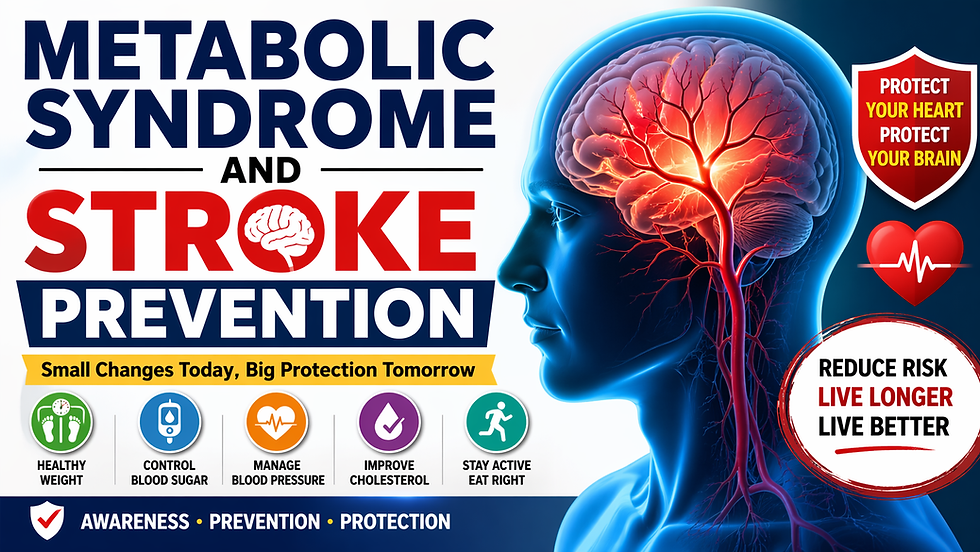
Key Prevention Strategies:Preventing stroke in individuals with metabolic syndrome requires a comprehensive approach. Lifestyle modification is the cornerstone of prevention. A balanced diet rich in fruits, vegetables, whole grains, and lean proteins can help manage weight, blood sugar, and cholesterol levels. Regular physical activity—at least 30 minutes of moderate exercise most days—improves cardiovascular health and insulin sensitivity.Medical management is equally important. Monitoring and controlling blood pressure, glucose levels, and lipid profiles through prescribed medications can drastically reduce risk. Avoiding tobacco use and limiting alcohol intake further support vascular health. Early detection through routine health screenings plays a critical role in identifying and managing metabolic syndrome before complications arise.
The Role of Awareness and Early Intervention:Public awareness about metabolic syndrome remains limited, especially in developing regions. Education campaigns and preventive healthcare initiatives can empower individuals to recognize symptoms and seek timely intervention. Healthcare providers play a vital role in guiding patients toward sustainable lifestyle changes and adherence to treatment plans.
Conclusion:Metabolic syndrome is a silent yet powerful contributor to stroke risk. By addressing its underlying components through lifestyle changes, medical care, and early intervention, individuals can significantly reduce their chances of experiencing a stroke. Prevention is not only possible but highly effective when proactive steps are taken.
(The domain www.dubaitelemedicine.com is for sale. Please contact us at www.kneetie.com#KneeTie #Stroke #youtube/kneetiegorungo #DubaiTelemedicine)


Comments