Title: Cognitive Rehabilitation After Stroke
Mar 6
2 min read
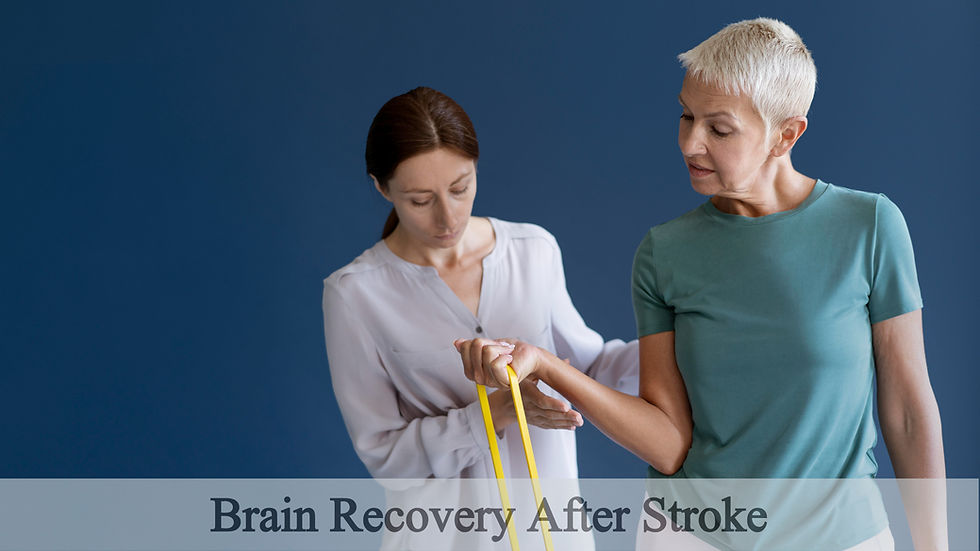
Introduction: ( www.youtube.com/kneetiegorungo.)
A stroke can affect much more than physical movement. Many stroke survivors experience difficulties with thinking, memory, attention, problem-solving, and decision-making. These cognitive challenges can interfere with daily activities such as managing finances, following conversations, remembering appointments, or completing simple tasks. Cognitive rehabilitation after stroke focuses on helping the brain recover these abilities through structured exercises, therapy, and consistent mental stimulation. With proper rehabilitation strategies and persistence, many stroke survivors can regain significant cognitive function and improve their quality of life.
Understanding Cognitive Impairment After Stroke:When a stroke interrupts blood flow to certain areas of the brain, the neurons responsible for cognitive processing may be damaged. Depending on the location and severity of the stroke, patients may experience memory loss, difficulty concentrating, slowed thinking, poor judgment, or problems understanding complex information.
Some individuals may struggle with attention and become easily distracted, while others may find it difficult to plan or organize tasks. In some cases, stroke survivors may also experience changes in behavior, emotional control, or problem-solving ability. These cognitive impairments can make everyday life challenging, but rehabilitation can help retrain the brain to compensate and rebuild lost functions.
Techniques Used in Cognitive Rehabilitation:Cognitive rehabilitation therapy typically involves structured exercises designed to stimulate the brain. Speech therapists, occupational therapists, and neuropsychologists often work together to guide patients through these exercises.
Memory training is one of the most common approaches. Patients may practice recalling names, numbers, or daily events to strengthen memory pathways. Attention training exercises help individuals focus on tasks for longer periods and reduce mental fatigue. Problem-solving activities encourage patients to think through everyday situations and find solutions independently.
Another important strategy is task repetition. Repeating cognitive tasks helps the brain form new neural connections through a process called neuroplasticity. Digital tools, puzzles, reading exercises, and interactive apps are often used to keep the brain actively engaged.
Therapists may also teach compensatory strategies. For example, patients might use written reminders, calendars, or structured routines to help manage memory difficulties while their brain continues to recover.
The Role of Family and Daily Practice:Family members and caregivers play a critical role in cognitive rehabilitation. Encouraging conversation, asking simple questions, and involving the patient in daily activities can stimulate cognitive recovery. Activities like reading aloud, playing simple games, organizing household items, or discussing current events can gently challenge the brain and promote mental engagement.
Consistency is essential. Short daily practice sessions are often more effective than occasional longer sessions. Over time, these repeated exercises help the brain gradually rebuild its cognitive abilities.
Supportive environments that reduce stress and frustration are also important. Positive reinforcement and patience can significantly influence the success of rehabilitation.
Conclusion:Cognitive rehabilitation after stroke is a vital component of the recovery process. By combining structured therapy, daily mental exercises, and supportive caregiving, stroke survivors can improve memory, attention, reasoning, and decision-making skills. The brain has an extraordinary ability to adapt and reorganize through neuroplasticity, and consistent cognitive stimulation helps unlock that potential. With time, persistence, and the right rehabilitation strategies, many stroke survivors can regain independence and rebuild confidence in their daily lives.
The domain www.dubaitelemedicine.com is for sale. Please contact us at www.kneetie.com#KneeTie #Stroke #youtube/kneetiegorungo #DubaiTelemedicine


Comments