Title: Stroke Early Warning Systems: Saving Lives Through Timely Detection
Apr 3
2 min read
Introduction: www.youtube.com/kneetiegorungo.
Stroke remains one of the leading causes of death and long-term disability worldwide. The critical factor that determines survival and recovery is time—often referred to as the “golden window.” Stroke early warning systems are designed to detect symptoms quickly, alert caregivers or medical professionals, and enable rapid intervention. These systems are transforming stroke care by bridging the gap between symptom onset and treatment, ultimately saving lives and improving outcomes.
Understanding Stroke and Its Urgency:A stroke occurs when blood flow to the brain is interrupted, either due to a clot (ischemic stroke) or bleeding (hemorrhagic stroke). Brain cells begin to die within minutes, making immediate medical attention essential. Early symptoms often include sudden weakness, confusion, difficulty speaking, vision problems, and severe headache. However, many patients fail to recognize these signs or delay seeking help, leading to devastating consequences.
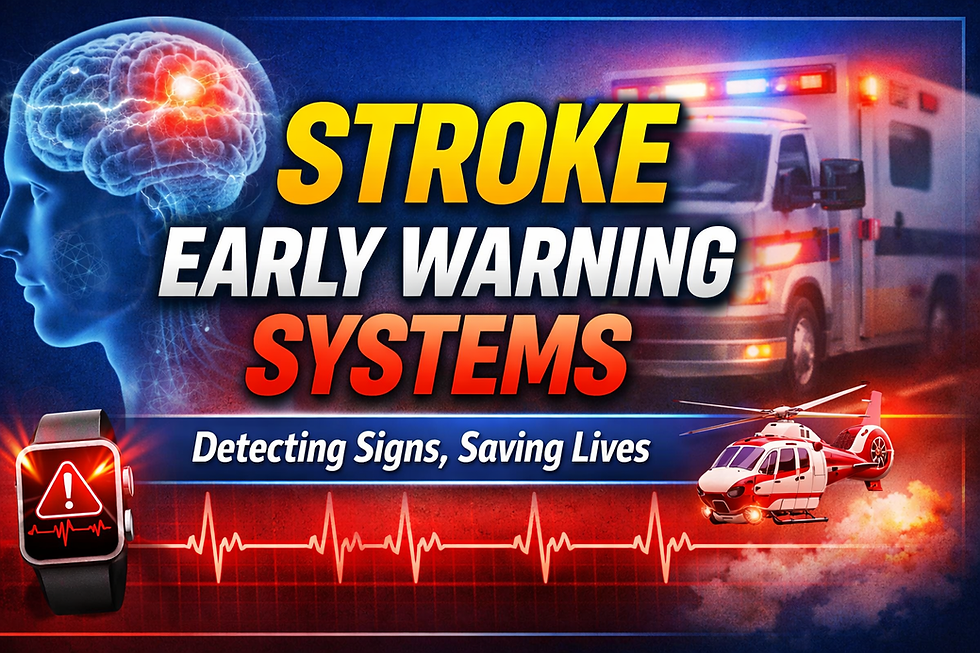
What Are Stroke Early Warning Systems:Stroke early warning systems are technologies and protocols designed to detect stroke symptoms as early as possible. These systems range from wearable devices and AI-powered monitoring tools to hospital-based alert protocols. They aim to identify abnormalities in movement, speech, or vital signs and trigger immediate alerts to caregivers or emergency services.
Technological Innovations in Early Detection:Advancements in artificial intelligence and remote monitoring have significantly enhanced early detection capabilities. Wearable devices can track changes in gait, facial symmetry, or speech patterns. Smart home systems may detect falls or unusual inactivity. In hospital settings, integrated alert systems notify stroke teams instantly when symptoms are identified. Telemedicine platforms also play a crucial role, allowing specialists to assess patients remotely and recommend immediate action.
Benefits of Early Warning Systems:The primary advantage of these systems is reduced response time. Faster detection leads to quicker treatment, such as clot-busting drugs or surgical intervention, which can dramatically improve recovery. Early warning systems also empower families and caregivers by providing real-time alerts and guidance. Additionally, they reduce the burden on healthcare systems by preventing severe complications and long-term disabilities.
Challenges and Future Directions:Despite their promise, stroke early warning systems face challenges such as accessibility, cost, and user awareness. Not all populations have access to advanced technology, and some systems may produce false alarms. However, ongoing research and innovation are addressing these issues. The future may include more affordable, AI-driven solutions integrated into everyday devices like smartphones and smartwatches, making stroke detection universally accessible.
Conclusion:Stroke early warning systems represent a critical advancement in modern healthcare. By enabling rapid detection and response, they have the potential to save countless lives and reduce the devastating impact of strokes. As technology continues to evolve, these systems will become more accurate, accessible, and essential in both home and clinical settings.
The domain www.dubaitelemedicine.com is for sale. Please contact us at www.kneetie.com#KneeTie #Stroke #youtube/kneetiegorungo #DubaiTelemedicine


Comments